

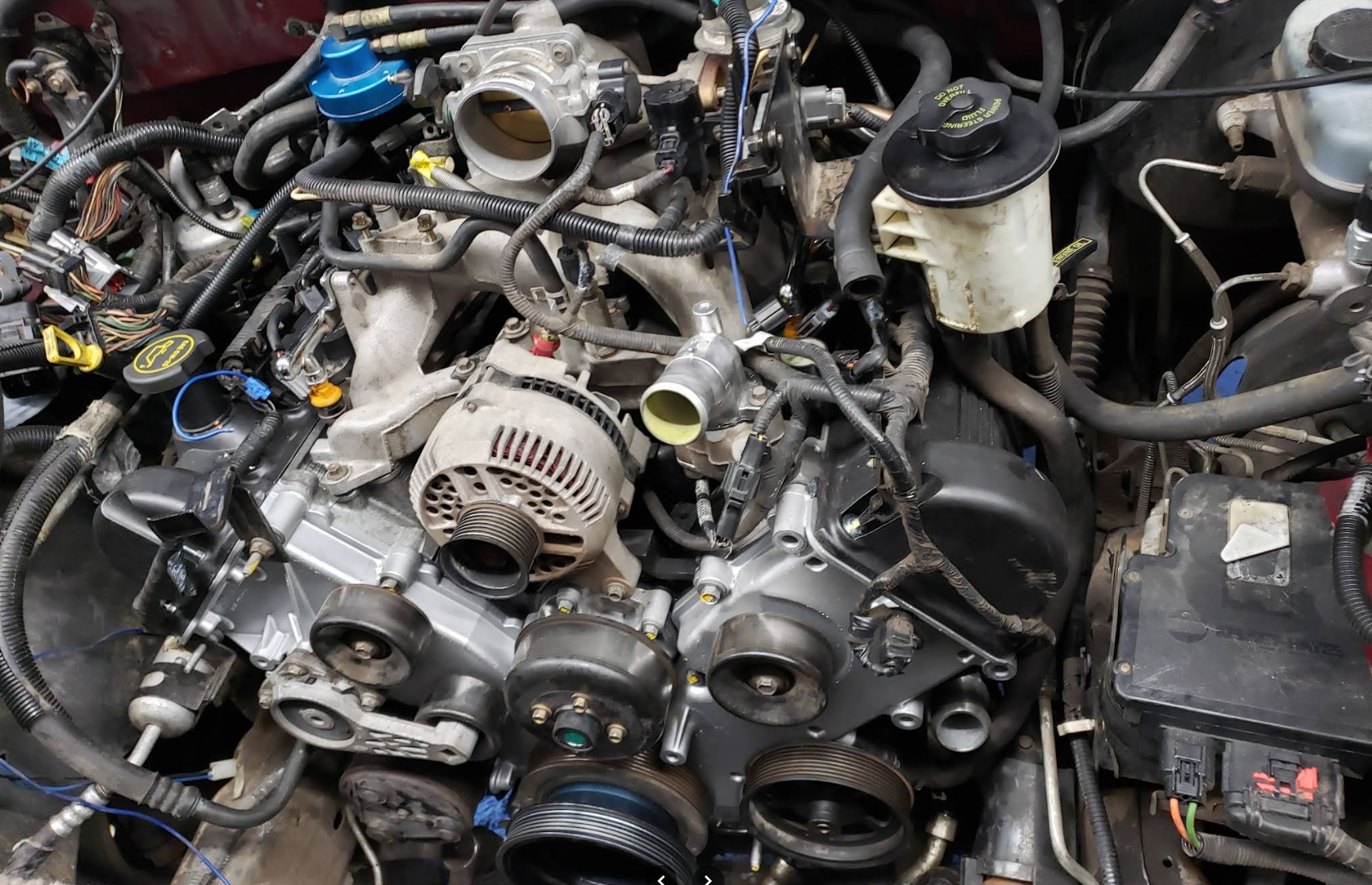
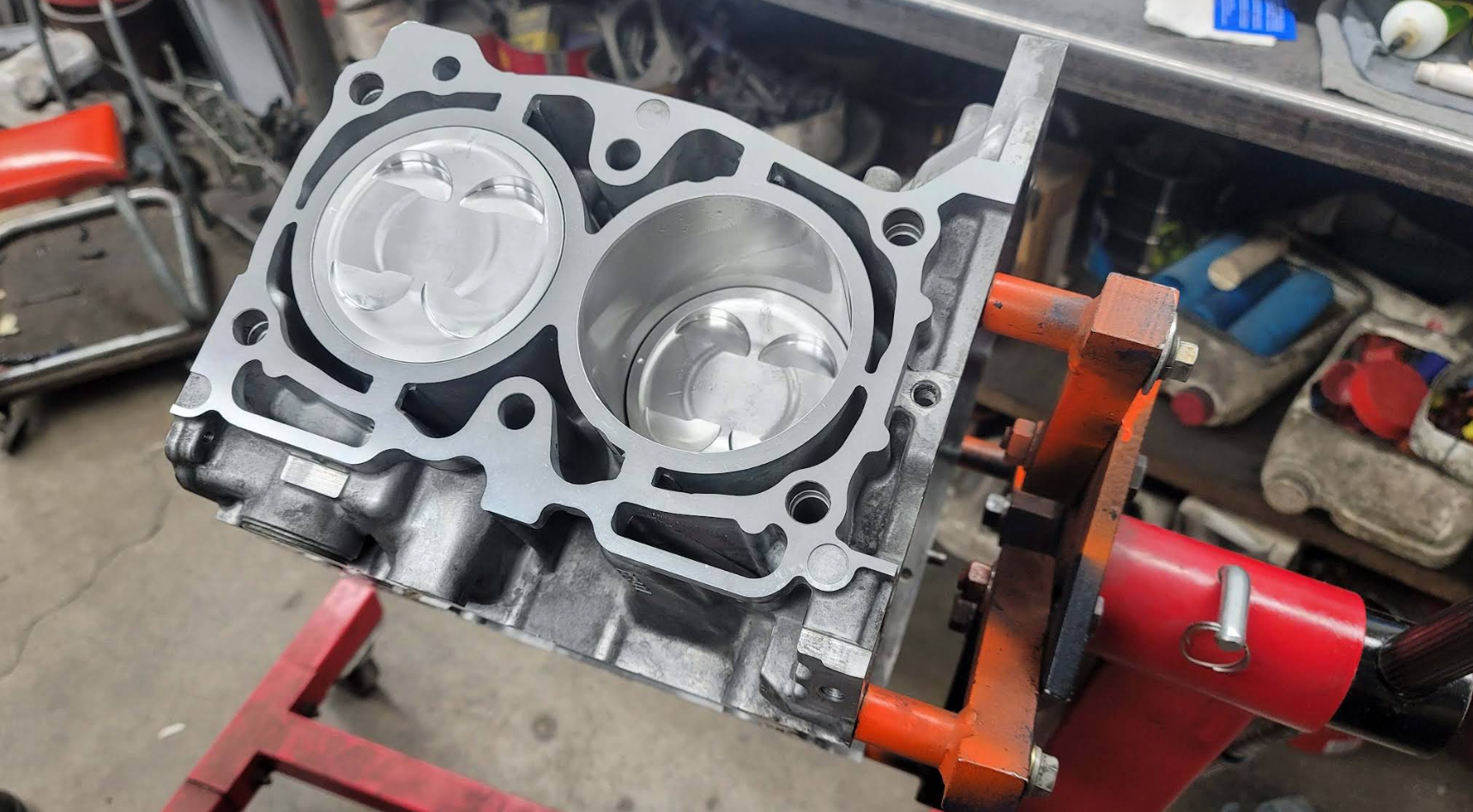
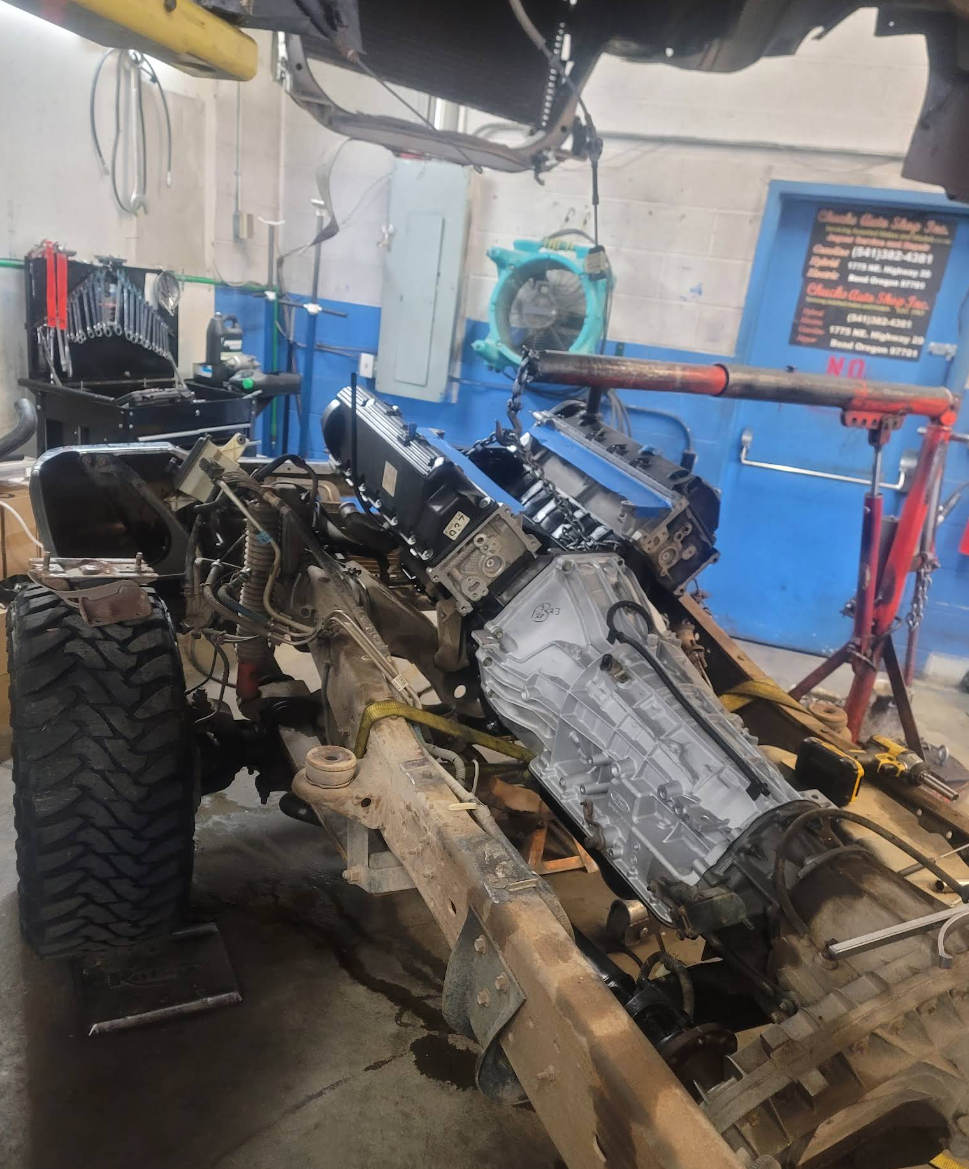
Engine Blueprinting: Correcting the Factory’s Margin of Error
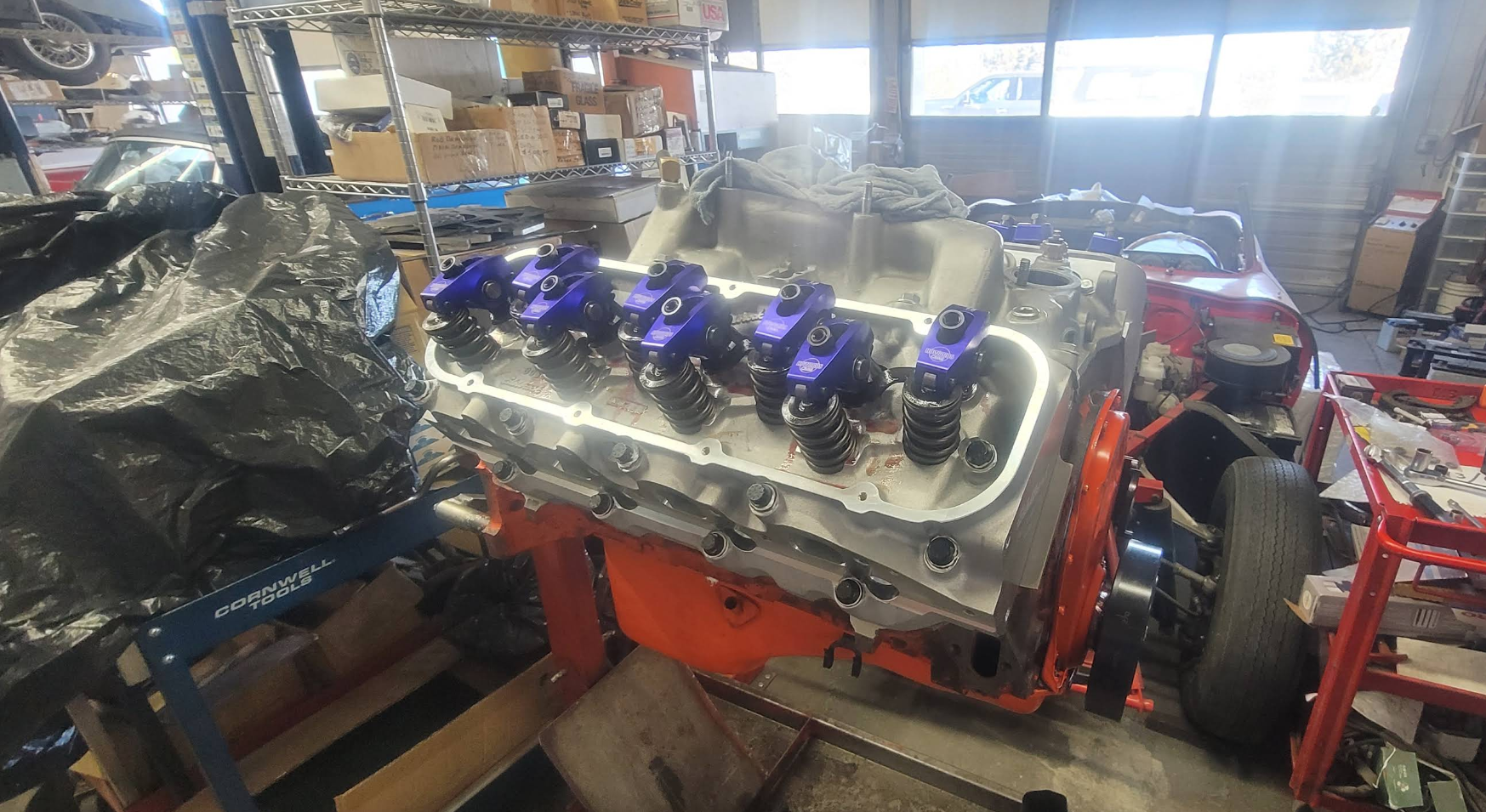
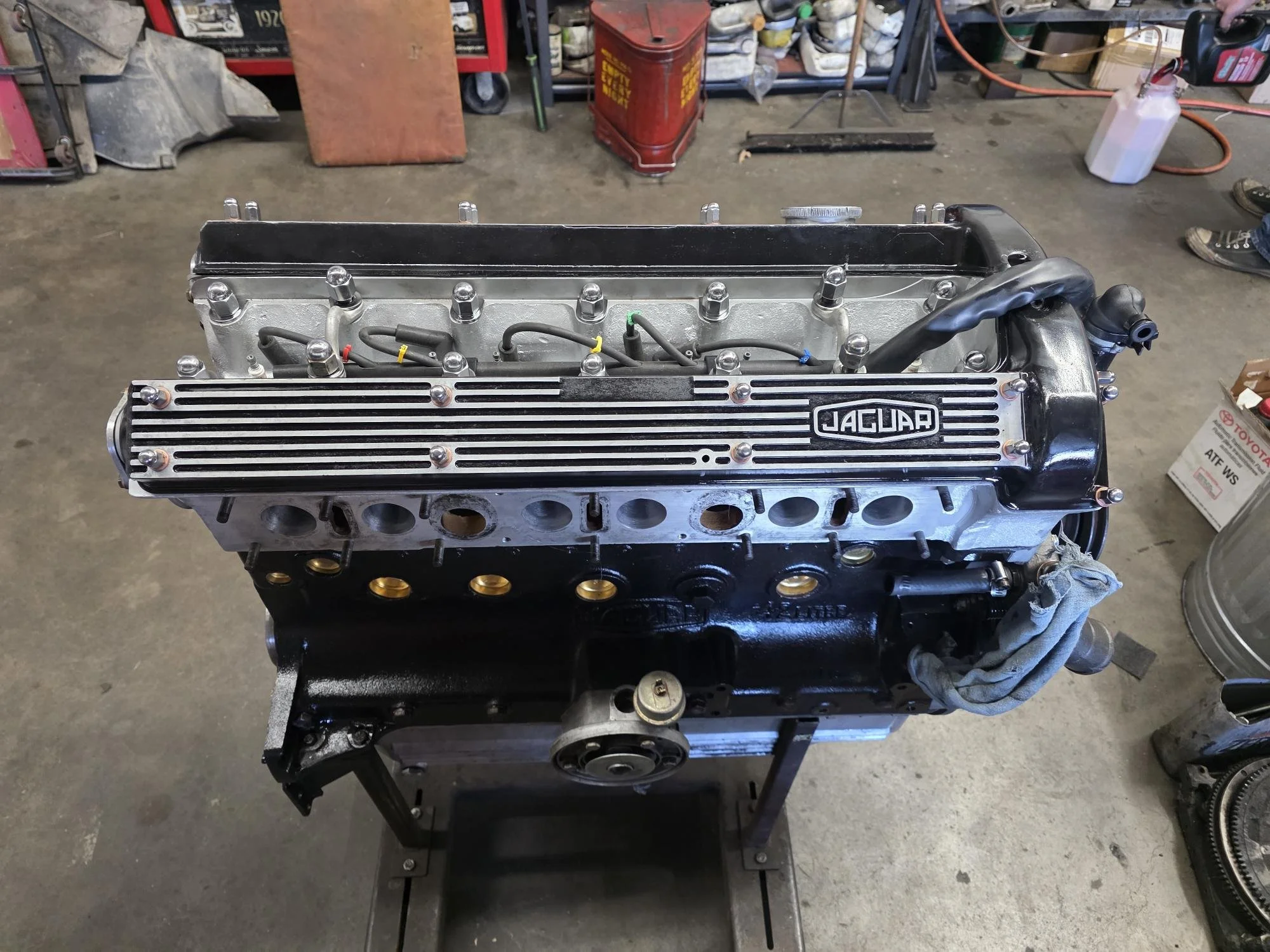
At Chuck’s Auto Shop Inc., we don’t just "rebuild" engines; we blueprint them. In an era where major manufacturers are recalling millions of units due to machining contamination and connecting rod seizures, the "factory standard" is no longer the gold standard. High-volume production relies on wide tolerances that prioritize quantity over longevity. We exist to bridge that gap.
Blueprinting is the process of hand-building an engine to its idealized design specifications, not its "acceptable" manufacturing ones. We treat every engine as a unique engineering project, ensuring that every internal component is balanced, matched, and optimized for a "Collection Standard" lifespan.
I. Precision Machining & Tolerance Control
Modern engines operate with ultra-thin 0W-8 and 0W-12 oils that leave zero margin for error. If a bearing clearance is off by even .0002 of an inch, the oil film fails, and the engine seizes.
The Chuck’s Standard: We utilize deep-tier CNC diagnostics to probe and correct cylinder bore geometry, deck height, and main bore alignment. We don't just "clean" a block; we perform sonic testing for wall thickness and magnetic particle inspection to find microscopic stress fractures before the first chip is cut.
II. Rotational Symmetry & Balancing
A factory-balanced engine is "good enough" for a commute, but harmonic vibrations are the silent killers of bearings and oil pumps.
The Chuck’s Standard: we match-weight every precision engine and connecting rod to within 0.1 grams. We dynamically balance the entire rotating assembly—crankshaft, harmonic balancer, and flywheel—to eliminate the parasitic vibratory stress that leads to catastrophic internal failure.
III. The "Direct Injection" (GDI) Evolution
Modern high-pressure fuel systems operate at upwards of 30,000 psi, leaving them vulnerable to the slightest contamination.
The Chuck’s Standard: We follow the updated ISO 21042:2026 standards for high-pressure fuel pump integration and lubrication. We ensure that the mechanical interfaces between the pump, camshaft, and injectors are perfectly aligned to prevent the premature plunger wear and rail pressure drops that plague modern GDI and Diesel platforms.